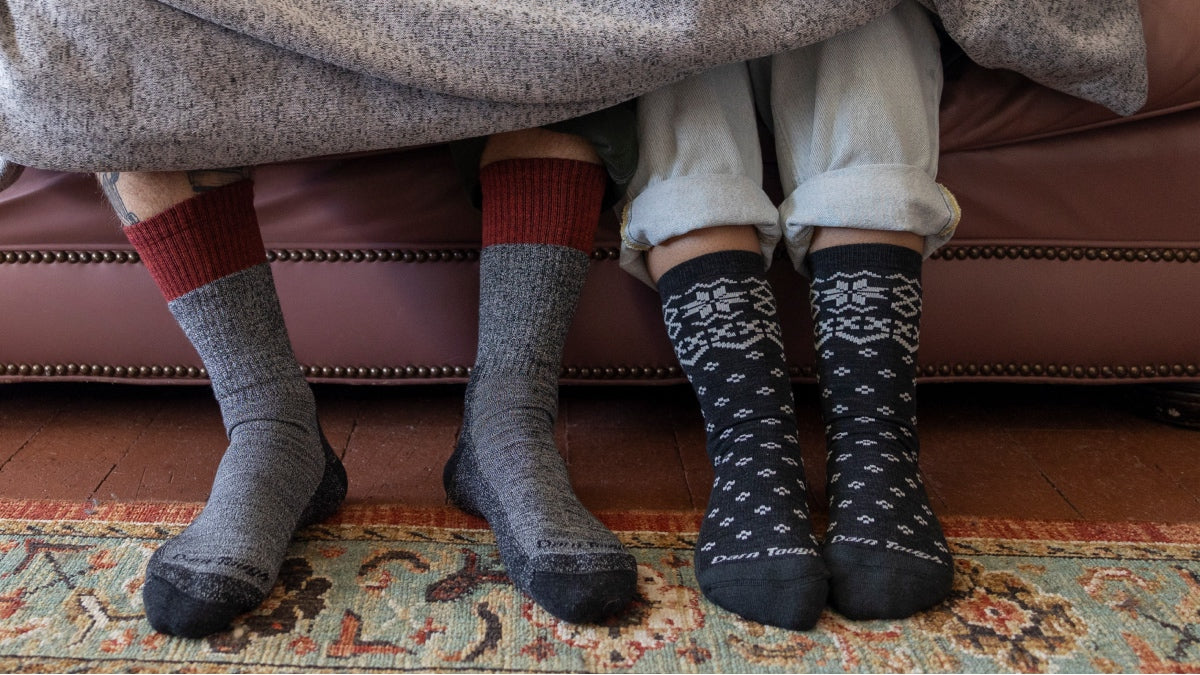
The Hidden Comfort of Socks That Don’t Match
I never thought much about socks. They were a mundane accessory, functional and forgettable, easily ignored unless they slipped down my ankle or peeked awkwardly from under a pant leg. Then one morning, in the scatter of getting dressed for a hurried day, I grabbed two socks that clearly didn’t belong together: one deep forest green with tiny white specks, the other a mustard yellow with a single, stubborn stripe. And something shifted.
At first, I felt a pang of mild guilt, a whisper in my brain warning that the world might judge this little rebellion. I shrugged it off and slid them onto my feet anyway. That day, something unexpected happened: I felt a subtle, quiet boost in mood, a tiny flicker of delight that no coffee or playlist could replicate. The absurdity of it—the fact that something as small as mismatched socks could anchor me to a moment of joy—was oddly grounding.
There’s a peculiar intimacy in knowing that nobody else will ever truly notice what you have on your feet. The secret lives of socks, I realized, were private rebellions. They can be your silent statement, a tiny ripple of whimsy in a world that often demands uniformity. I started experimenting, pairing patterns and colors that clashed and collided in ways I never would have allowed before. The effect was more than visual; it was tactile, a comfort that began at the toes and slowly expanded into the rhythm of my day.
Walking down the street with shoes that hid this small detail, I noticed that the act of knowing I had chosen chaos deliberately made me feel lighter. It was an understated kind of defiance, one that required no audience and yet gave a private sense of freedom. Sometimes I’d catch a glance of my socks under a café table or beneath my desk at work and smile at myself quietly. The misalignment was a reminder that perfection isn’t necessary to feel whole, that joy can be stitched in small, unnoticed ways.
I began to notice how these mismatched companions influenced my evenings, too. Slipping out of shoes at the end of the day, the way my toes met the fabric of these clashing colors felt like a soft punctuation mark at the conclusion of my hours. There’s an absurd poetry in it: a tiny defiance met with tactile pleasure. I’d roll onto the couch, curl my toes against a blanket, and suddenly the day’s tensions—emails unanswered, errands pending, conversations half-remembered—seemed less oppressive. Socks, of all things, could create a container for calm.
One weekend, I decided to take this a step further. I dedicated an afternoon to sorting through all my socks, pairing them intentionally wrong, creating what I jokingly called my “chaos collection.” Stripes met polka dots, muted tones clashed with neon, and textures collided—cotton rubbed against wool in a gentle rebellion of friction. The act of arranging them, laughing quietly at combinations that should not exist, became meditative. My apartment smelled faintly of detergent and lived-in fabric, but it smelled like personal joy. There was a rhythm to it: pick, pair, step back, laugh, repeat.
The comfort wasn’t just psychological. I noticed my feet felt freer, lighter, more conscious with each step. Wearing mismatched socks became a kind of gentle mindfulness practice, like walking meditation that began at the toes. Each movement, each brush of fabric against skin, reminded me of presence, of a body inhabiting space without the rigid expectations of symmetry. In a subtle way, my feet became a metaphor for the rest of me: flexible, playful, willing to exist imperfectly in a world that often demanded precision.
I also realized how mismatched socks fostered small moments of connection. On the subway, a child once pointed to my socks with wide-eyed curiosity, and I smiled back, letting the absurdity pass between us. A coworker caught a peek of mine under a desk and remarked jokingly, sparking a conversation that veered into playful territory far removed from deadlines and spreadsheets. It was a reminder that even minor quirks can ripple outward, creating threads of human connection in the most unexpected ways.
Evenings at home, in the soft glow of lamplight, became a ritual with these mismatched companions. I’d slip off shoes, stretch my toes, and notice the contrasting fabrics as if greeting old friends. The green specked sock nudged against the yellow stripe in a gentle rebellion, and I felt that same gentle rebellion in myself—a soft resistance to monotony, to the relentless hum of expectation. My apartment smelled faintly of tea and fabric softener, and my mind felt lighter, as if the simple act of wearing incongruous socks had washed a layer of rigidity off my thoughts.
I started experimenting further, pushing boundaries beyond what colors or patterns were “appropriate.” I wore socks that clashed not just with each other but with my shoes and clothing. I paired winter socks with summer sandals inside the apartment, feeling absurd, aware, and entirely present. There was a strange liberation in this deliberate chaos: a subtle rebellion against habitual aesthetics, societal norms, and even my own tendency to overthink. My toes became a small yet profound playground for imperfection.
Over time, these evenings transformed subtly but meaningfully. I found myself more attuned to small joys elsewhere: the crackle of a candle, the warmth of a mug in my hands, the way music reverberated through the walls. Mismatched socks were a gateway, a kind of portal that invited me to notice the overlooked textures of daily life. The irony was delicious: such a tiny, almost laughable act could anchor attention, modulate mood, and cultivate a gentle resilience against the humdrum of routine.
The hidden comfort of mismatched socks is not just in their novelty; it is in their intimacy, their quiet insistence that life can be lived imperfectly and fully. They are tactile affirmations that whimsy does not need justification, that joy can inhabit the smallest spaces. In a world obsessed with symmetry, order, and presentation, a pair of socks that don’t belong together becomes a subtle rebellion, a private ceremony, a grounding ritual that reminds me I am both human and playful, serious and absurd, structured and free.
Now, even when I wear perfectly matched socks, I think back to the yellow stripe next to the forest green speck, and I smile. Because I know that comfort is not always about what the world sees—it’s about what the world doesn’t see, the secret rebellions we carry on our feet, and the small, unnoticed details that can transform an ordinary evening into something quietly extraordinary.

How Reading Aloud to Myself Changed My Evenings
It began almost by accident. One night, I picked up a book from my shelf—one of those titles that had been sitting there for months, collecting a thin film of dust like an abandoned artifact—and instead of silently skimming the first chapter, I let the words spill out of my mouth. The sound startled me. I hadn’t read aloud to myself since childhood, when the act of sounding out words was still new, clumsy, and magical. Suddenly, there I was again, grown and alone in my apartment, speaking to no one but hearing a voice fill the space anyway.
The first few nights felt awkward, like performing in front of an empty room. My voice cracked here and there, my tongue stumbled over sentences, and I kept glancing toward the window as if someone might overhear me and mistake me for a lonely eccentric. But after the initial strangeness wore off, I began to notice how different the text felt when I gave it breath. Sentences stretched out slower, fuller. I could hear the rhythm of language, the pauses, the subtle humor hidden in punctuation. Reading silently had always been efficient, but reading aloud felt like swimming instead of speed-walking—immersive, a little exhausting, and strangely rejuvenating.
By the third evening, my living room seemed to transform the moment I opened a book and started speaking. The lamp cast a soft circle of light, the air hummed with the vibration of my voice, and the space felt warmer, more alive. It wasn’t performance, not really. It was conversation, even though I was both speaker and listener. I noticed that when I read silently, my attention scattered easily—my mind slipped to tomorrow’s errands or the unanswered emails waiting on my laptop. But reading aloud demanded presence. I couldn’t just skim a line and half-absorb it; the act of voicing every word anchored me to the page.
There was something deeply physical about it, too. My breath fell into rhythm with the sentences, like syncing my heartbeat to music. Long passages made me slow down, inhale deeply, then spill out paragraphs as though I were pouring water from a jug. Short, sharp lines felt like skipping stones across a lake. My body was suddenly in conversation with the book. It wasn’t only about comprehension anymore—it was about cadence, tone, pacing, the rise and fall of language.
I started noticing subtle changes in myself after a few evenings. My phone, usually glued to my hand at night, began staying on the table longer. The jittery habit of scrolling until my eyes stung lost some of its pull. Instead of blue light, I let my own voice carry me into calm. Reading aloud slowed me down in a way no mindfulness app ever had. It was intimate without being isolating, gentle without being forced.
One evening stands out clearly. I was reading a chapter where nothing much happened—just a description of a rainy afternoon in a quiet town. Normally, I might have skimmed it. But reading it aloud, the rain became steady and real in my apartment, even though outside my window the sky was clear. My voice painted the scene as much for me as for the imaginary listener I sometimes felt hovering nearby. By the end of the passage, I realized my breathing had slowed, my shoulders had dropped, and my whole body was unclenching in sync with the narrative.
There were nights when it felt like a kind of companionship. I live alone, and while I rarely mind it, silence at night sometimes sharpens into something heavier, almost oppressive. Reading aloud softened that silence. My voice bounced off the walls, filled corners that otherwise sat in shadow. It was a peculiar form of company: being my own storyteller, letting the sound of words keep me tethered to something beyond the quiet hum of my fridge.
I also found that certain books worked better than others. Poetry, especially, seemed to come alive. Lines that had once felt dense and distant on the page suddenly pulsed with rhythm when spoken. Even prose I thought I knew well surprised me—dialogues felt warmer, descriptions painted brighter images. I realized how much I had been skimming, not just text, but life itself.
The ritual stretched beyond the act itself. Preparing to read aloud became part of the experience. I would make tea, adjust the lamp so the room glowed just enough, and settle into the couch like it was a tiny stage. Sometimes I lit a candle, not for ambiance exactly, but for grounding, a small flame to mark the start of the practice. The evenings gained structure, a soft ritual that separated the workday from rest, like a secret doorway I stepped through when the world outside quieted.
By the end of a week, I noticed my sleep changing. Instead of tossing and replaying conversations or imaginary scenarios, my mind replayed sentences I had read aloud. Words lingered like echoes, gently drifting into dreams. My inner dialogue—usually a scattered collection of to-do lists and anxieties—took on the cadence of the stories I had spoken, slower, less frantic, almost melodic.
What surprised me most wasn’t the calm or focus, though those were real. It was the rediscovery of my own voice. Not just metaphorically, but literally—the sound of it. We spend so much of our lives typing, texting, muting ourselves in meetings or speaking only in practical bursts. To hear my own voice carry narrative, describe scenes, give shape to characters—it reminded me that my voice had texture, warmth, even music. I hadn’t realized how rarely I listened to it outside of hurried conversation.
Now, when I think about reading, I don’t see it as a silent transaction between eye and page. I think of it as a duet between breath and word. Evenings feel different because of it—slower, yes, but also fuller, like turning down the noise of the day and tuning into a private frequency.
I don’t read aloud every night. Some evenings still vanish into phone screens or background television. But when I do choose it, I know what’s waiting: a voice that is mine and not mine, stories that expand beyond ink, and a room that feels less empty because it has been filled with sound.
Reading aloud has changed my evenings in a way I didn’t expect. It’s not about becoming more intellectual or disciplined—it’s about letting words carry me home, one breath at a time.

A Week Without Sugar and the Emotional Rollercoaster That Followed
It started with a dare I gave myself on a lazy Sunday afternoon. I was sipping tea that I had absentmindedly sweetened with honey, when the thought crept in: what would a week without sugar look like? The moment felt mischievous, almost rebellious—like sneaking out of your own house just to see if you can. I wasn’t setting out to overhaul my diet forever, just to test how much sugar had wormed its way into my daily rhythm.
The first day felt like standing at the edge of a pool, dipping one toe in icy water. I told myself I could survive without the chocolate I usually reached for mid-morning, but the craving arrived as predictably as the mail. It wasn’t just hunger; it was ritual. My hands kept opening cupboards like they were on autopilot, searching for something sweet, as if a phantom candy bar might materialize. I felt oddly hollow, not physically, but in a strange emotional sense, like someone had turned down the brightness in the room.
By the second day, my body began whispering complaints. A dull headache settled at the base of my skull, the kind you get after staring at a screen too long. I realized how much sugar had been a cushion in my day—the soft landing after stressful emails, the quick reward when errands piled up. Without it, stress hit me harder. I felt raw, like walking barefoot on gravel. That evening, I caught myself staring at a row of pastries behind glass at a café, not with desire, but with the same fascination as watching fireworks. They were dazzling but somehow untouchable.
On the third day, I grew irritable. A storm cloud followed me around, and I snapped at small things: the slow progress bar on my laptop, the squeak of my neighbor’s chair on the balcony. Normally, I would’ve nibbled on a cookie to soften the edges of that mood, but instead I sat there, unbuffered, feeling the full sharpness of it. It was uncomfortable, but also oddly honest. Sugar had been muting parts of my emotional spectrum, and now every shade of irritation showed up in high definition.
By the fourth day, the strangest shift began. My taste buds started to reawaken, as though they had been asleep under a blanket of sweetness. A plain apple tasted almost electric, its natural sugar lighting up my tongue in a way it never had before. I found myself savoring roasted vegetables, noticing the slight caramelization that had always been overshadowed by dessert. It was as if I had been listening to music with muffled speakers, and suddenly the treble came back.
But then came day five, the hardest. My dreams were filled with cakes, candies, and rivers of melted chocolate, as if my subconscious had gone on a binge while I restrained myself in waking life. I woke up unsettled, feeling like I had cheated on myself in secret. That day dragged. Everything seemed gray, food especially. I ate, but nothing satisfied me. It was like my appetite was mourning a loss. I caught myself resenting my own decision, the way you might resent a friend who convinced you to go on a hike when you’d rather be in bed.
Day six felt lighter. I woke up with more energy than usual, almost suspiciously so. My morning walk seemed sharper, the air cleaner. I noticed how steady I felt—not the jittery high that comes after a sugar hit, but a quiet, sustained balance. My mood wasn’t euphoric, but it wasn’t dipping either. It was as if the rollercoaster I’d been riding every day—the highs of chocolate, the crashes an hour later—had been dismantled, leaving me with a steady path instead of dizzying loops.
By the final day, I had grown protective of this new equilibrium. The cravings hadn’t vanished, but they had quieted, like background noise instead of blaring music. I caught myself reflecting on how sugar had been more than food; it had been punctuation in my days. A candy bar was an exclamation point, ice cream was a soft comma, cookies were ellipses stretching a moment. Without them, my sentences felt starker, but also more intentional.
When the week ended, I didn’t celebrate with a slice of cake. I thought I would, but instead I just sat with a bowl of strawberries. Their sweetness felt enough, maybe more than enough. It was humbling, realizing how powerful something so small could feel once my senses weren’t dulled.
What surprised me most was not the physical adjustment, though that was real—the headaches, the cravings, the strange new energy. It was the emotional waves that sugar had disguised all this time. Without it, I had to meet my own moods face-to-face, without a sugary veil. I had to sit in irritation, walk through boredom, and actually recognize joy when it arrived.
The week wasn’t about deprivation, though it felt like it at first. It was about peeling away a layer I didn’t know was there, the sticky glaze that blurred the sharp edges of my days. Now, even if I don’t swear off sugar forever, I know how much it shapes the way I feel, not just the way I eat.
The experiment left me with a simple but unsettling truth: sometimes the hardest part of change isn’t the craving itself, but realizing how much of yourself was wrapped around it. And once you see that, you can’t unsee it.
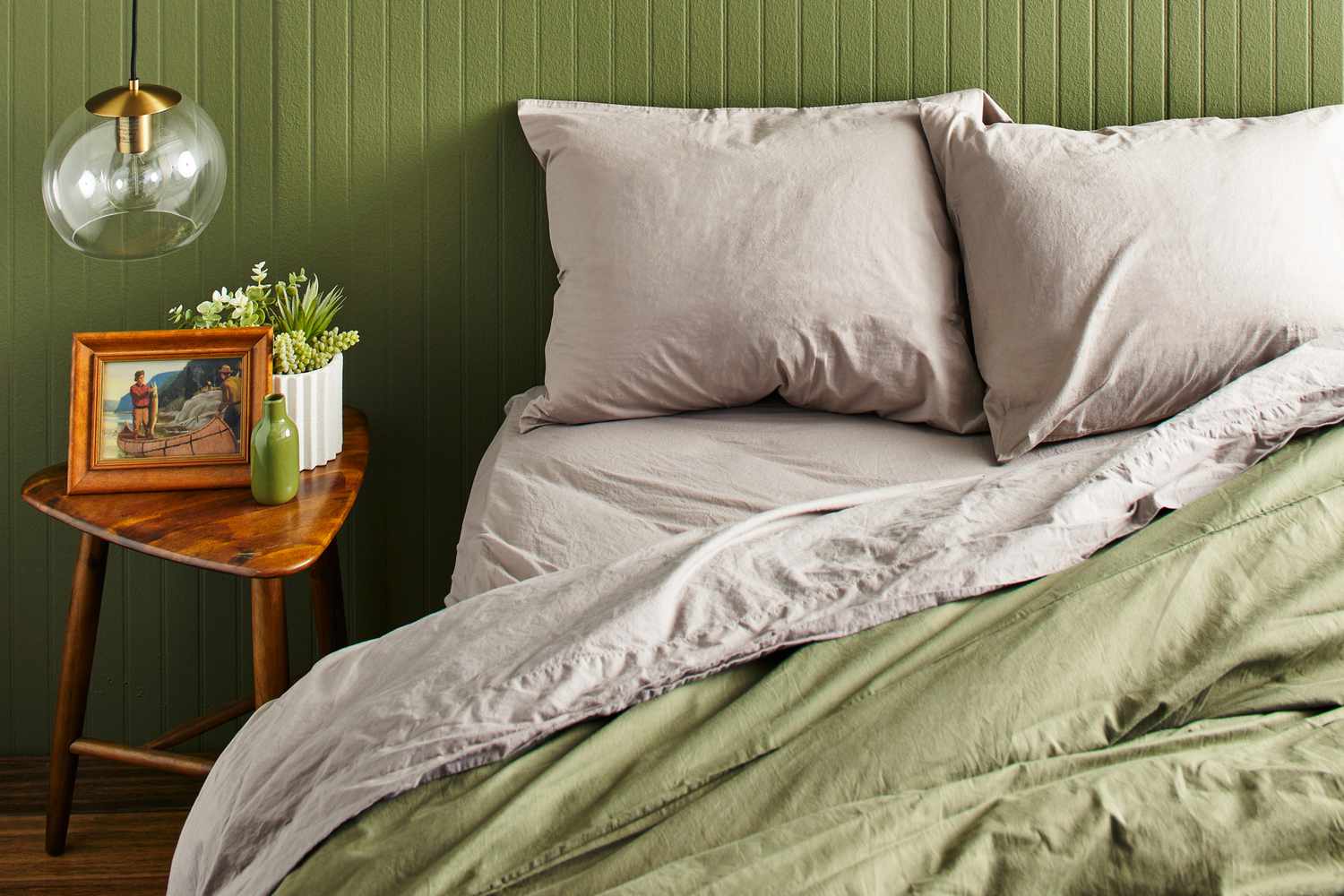
Why Rearranging My Bed Sheets at 3 A.M. Felt Like a Fresh Start
I have always thought of sleep as a ritual, but not always a graceful one. Some nights it feels like drifting into water, easy and fluid, while other nights it’s like trying to enter a locked house without the key. The night I found myself tearing off my bed sheets at 3 a.m. belonged to the latter. Insomnia had wrapped itself around me, the kind where every position feels wrong and every thought loops like a bad playlist you can’t skip.
At first, I did the usual dance—flipped the pillow, tossed, turned, kicked off the blanket, pulled it back again. The air felt heavy. My body restless. The sheets, though clean, suddenly seemed stale, like they had absorbed every failed attempt at rest. It was then, without much thinking, that I threw the covers aside, stripped the bed bare, and began remaking it from scratch.
It felt absurd at first. Who washes sheets in the middle of the night? I didn’t, but I shook them out, smoothed them, pulled them tight as if I were trying to iron away not just wrinkles but the tension of the entire evening. The act itself was mechanical, but it carried a weight I didn’t expect. By remaking the bed, I wasn’t just adjusting fabric. I was pressing reset on the entire night.
There is something strangely symbolic about stretching a clean sheet across a mattress. The tautness, the way the corners snap into place, it feels like sealing a promise to yourself. I tucked the blanket under with unusual precision, as if I were preparing the bed for someone new. In a way, I was—the version of me who was ready to surrender to sleep rather than fight it.
Once the bed was remade, I slid between the sheets, and it was like entering a freshly painted room. The air hadn’t changed, but my perception had. The fabric felt cooler, the weight of the blanket more forgiving. Even the pillow seemed to cooperate, molding to my head as if relieved that the chaos was over. I didn’t fall asleep instantly, but I felt something just as valuable: calm.
It’s funny how such a small act can rearrange the texture of a night. Changing the sheets wasn’t about cleanliness—it was about renewal. The same way some people cut their hair after a breakup, or reorganize a drawer when they feel stuck, I had restructured my little world at an hour when everything felt unchangeable. It gave me a sense of control, not the tight, exhausting kind, but the gentle kind that whispers, “You don’t have to stay in this state forever.”
I think about that moment often because it revealed how rituals can rescue us in unexpected ways. A bed is just fabric and springs, yet in the middle of the night, it became a canvas for transformation. By remaking it, I had created a threshold—a before and after, a line drawn in cotton. Before, I was restless and defeated. After, I was someone who had decided the night wasn’t wasted, just paused.
Since then, I’ve noticed how often my energy shifts when I reset something physical. Washing dishes when I feel mentally cluttered. Rearranging books when I’m stuck in a creative fog. Clearing out the refrigerator when my thoughts feel stale. None of these things solve the deeper questions of life, but they create space, little breathing pockets where I can step outside of my frustration. The bed sheets that night were just the most dramatic example.
What struck me most was the timing. If I had done the same task in the morning, it would have felt ordinary, even dull. But at 3 a.m., it felt like rebellion. Everyone else in the city was asleep, and there I was, remaking a bed in the middle of the darkness. It was oddly empowering, like I had stolen back a bit of the night for myself. The silence outside amplified every sound—the snap of the fabric, the rustle of the blanket, the creak of the mattress—and those sounds became part of the ritual, grounding me in the present.
It reminded me that not all fresh starts require daylight. Sometimes renewal arrives in the quiet hours when no one is watching, when the world is still and you’re left alone with your restlessness. A reset doesn’t need to wait until morning. It can happen in the most unglamorous moment—hands smoothing wrinkles out of cotton under a dim lamp, barefoot on the cold floor, eyes half tired but determined.
The memory has stayed with me because it turned a sleepless night into a story, one I return to when I feel stuck. It taught me that change doesn’t always need to be grand or complicated. Sometimes it’s as small as deciding to shift the fabric around you. Sometimes it’s as quiet as pulling corners tight and sliding back into a bed that now feels brand new.
I’ve had other restless nights since then, of course, but I approach them differently. Instead of fighting sleep like an enemy, I look for ways to change the setting, to reset the scene. It might be as simple as moving to the couch, opening a window, or, when the weight of the night feels especially heavy, remaking the bed again. Each time, it feels like rewriting the script, refusing to let the night dictate the ending.
The 3 a.m. sheet shuffle may seem trivial, even a little ridiculous, but it has become one of my favorite reminders: renewal doesn’t wait for the perfect moment. It can arrive in the quietest hour, in the smallest act, in the dim glow of a bedside lamp. And sometimes, that’s enough to turn the night around.

The Strange Energy Shift After Cleaning Windows
There are certain household chores I usually avoid until they become impossible to ignore. Cleaning the windows sits at the top of that list. Most of the time, I pretend the glass is fine, that the faint smudges and streaks are just tricks of the light. But one afternoon, as the sun hit the panes at just the wrong angle, I noticed how cloudy everything looked, as though my apartment had been wrapped in a thin film of fatigue.
It wasn’t just dirt. It was mood.
I found myself staring at those streaks the way you stare at something symbolic without meaning to—like realizing the mess outside the glass had started to mirror the mess in my head. I felt heavy, sluggish, a little dull. The decision to clean the windows came less from practicality and more from this strange urge to shift the atmosphere around me, like opening a window for fresh air but in a more permanent way.
The task itself was unglamorous. Bucket, rag, spray, repeat. Yet as I began, I noticed something odd happening. My shoulders dropped. My breathing slowed. Each swipe of the cloth left behind a small patch of clarity, and the room seemed to exhale with me. It felt less like cleaning and more like carving out small squares of light, little by little, until the entire window transformed into something weightless.
What surprised me most was how immediate the shift in energy felt. Once the glass was clear, the sunlight didn’t just enter—it spilled, poured, almost rushed in as though it had been waiting outside impatiently. The corners of the room that usually sat in shadow suddenly carried a glow, as if they had been discovered. It wasn’t just brightness; it was a different kind of presence, a reminder that light has texture, that it doesn’t just illuminate but also fills.
I realized then how much we underestimate the role of windows. They’re not just barriers between us and the outside world. They are filters, translators of light, and when they’re clouded, everything they deliver is diluted. Clear them, and the world suddenly feels closer, sharper, more alive. The trees outside looked greener. The pavement below looked less gray. Even my reflection in the glass felt crisper, as though I’d stepped into higher definition.
There’s also something quietly ritualistic about the process. Each pane required patience, a kind of gentle persistence. Rushing left streaks, and streaks meant the job wasn’t truly done. It became a rhythm: spray, wipe, polish, step back, adjust. Almost like breathing exercises with a visible result. I couldn’t help but draw the comparison to the way I sometimes clear mental fog—slowly, deliberately, layer by layer, until perspective sharpens.
The timing of it added another layer. I cleaned in the late afternoon, just before sunset, so when I finally finished, the sky shifted into that golden wash that makes everything look cinematic. Through the spotless glass, the colors bled richer and deeper, as though someone had upgraded the settings of the world outside. That moment felt like a gift I had accidentally unlocked by doing something as ordinary as scrubbing windows.
Afterwards, I noticed how the space itself seemed different. Rooms I had lived in for years felt almost new. Sitting by the window didn’t feel passive anymore; it felt participatory, as if I had joined in on something larger. I lingered near the glass, watching people walk below, watching leaves flicker in the breeze. The act of cleaning had sharpened not just the view but my attention to it.
What lingered most was the shift in my own energy. Before cleaning, I had been dragging myself through the day, weighed down by vague restlessness. Afterwards, I felt awake, lighter, as though I had physically cleared something inside me along with the grime on the glass. I kept wondering why such a small act carried such weight. Maybe because it revealed something I couldn’t ignore: the connection between my physical surroundings and my mental weather.
It reminded me of times I’ve been stuck in ruts, unable to focus, until I changed something simple in my environment—rearranging a table, opening a curtain, moving a plant. The windows were another version of that, except more dramatic. The difference was so stark it was impossible to dismiss. It made me think about how often I settle for “good enough” when clarity is just a cloth and a little effort away.
Of course, the streaks will return. Dust will settle. Rain will leave its signature trails. But that’s the nature of both windows and moods—they require maintenance. The beauty lies in the act of renewal, in knowing that clarity can be restored whenever we choose to tend to it. The cycle isn’t a burden. It’s proof that change is always available, that even the cloudiest views can be brightened with patience and presence.
Later that evening, as I sat in the now-glowing room, I thought about how often we chase big transformations—new jobs, new homes, grand adventures—while ignoring the subtle power of tiny adjustments. Cleaning windows didn’t change my life, but it changed my day, and sometimes that’s enough. It gave me a sharper lens through which to see both the outside world and myself within it.
The strangest part is how addictive it became. Now, every time I catch the glass looking dull, I don’t see it as a chore waiting to be done. I see it as an invitation, a chance to press reset, to shift the energy again. It’s almost mischievous, the way something so ordinary can hold that kind of magic.
Maybe that’s what makes it special. The transformation is disproportionate to the effort, a small task with an unexpectedly large return. Clear windows don’t just let light in—they remind me that clarity is always possible, both in the spaces I live in and in the spaces I carry inside.
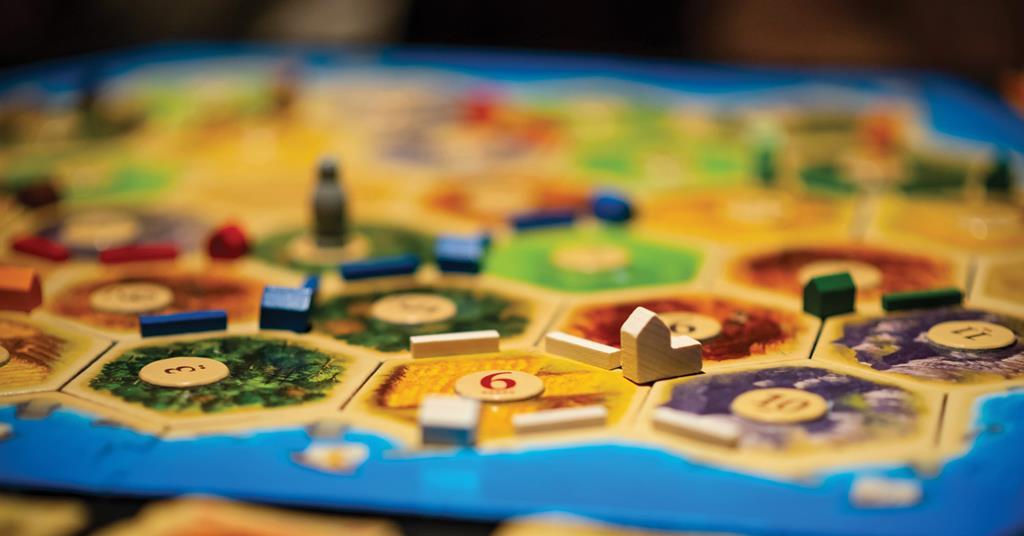
Rediscovering the Joy of Board Games With No Competition
It started on a rainy Sunday, the kind of day when the sky feels like wet cement and time slows down to a drip. Normally, a day like this would tempt me into endless scrolling or half-heartedly reorganizing my closet. Instead, I pulled out a dusty box of board games that had been quietly hibernating on a shelf for years. The funny thing is, I didn’t set them up with the idea of winning. I set them up because I was craving something different—something that felt slower, warmer, and less transactional than the noise of my usual routines.
When I was younger, board games were all about victory. Winning meant bragging rights at the dinner table, and losing meant sulking until dessert. But this time, as an adult sitting cross-legged on the living room rug, I wasn’t in the mood for competition. I wanted the rhythm of rolling dice, the clink of moving pieces, the satisfaction of fitting little cardboard tiles together, all without the adrenaline rush of “beating” anyone. It was less about the end and more about the texture of the moments in between.
There’s something almost meditative about handling physical game pieces. The way a wooden pawn feels in your hand is strangely grounding. I realized how long it had been since I touched something that wasn’t a glowing rectangle. The smooth edges, the shuffle of cards, the way the board unfolds with creases that remember every game ever played—it all has a kind of lived-in charm. Digital games can’t replicate that tactile intimacy.
Playing without competition feels like taking the sharp edges off an experience. I didn’t care who reached the finish line or who hoarded the most points. We were free to stretch out the rules, bend them into shapes that suited the moment. At one point, we stopped keeping score entirely, choosing instead to savor the storytelling parts of the game. What emerged was laughter, half-serious conversations, and a surprising sense of closeness. It felt like rediscovering the overlooked corners of an old house.
I noticed how different the energy in the room felt. Usually, when there’s competition, even friendly competition, there’s a subtle undercurrent of tension. Should I block their move? Should I protect my lead? But when you strip that layer away, the air relaxes. Nobody leans forward in defensive anticipation. Instead, people lean back, stretch their legs, sip tea, and let the game weave itself into the background. It becomes less of a battlefield and more of a shared ritual.
One small moment stuck with me. I was supposed to draw a card, but I picked the wrong one without realizing it. Normally, that would have triggered a mini-argument or at least some teasing. Instead, we just shrugged and kept going. The “mistake” became part of the game’s rhythm, like a note out of tune that somehow makes the song feel more alive. It made me wonder how many times in life I create unnecessary friction by clinging too tightly to rules that don’t really matter.
Another thing I loved was how time seemed to expand. Without competition, there was no rush to reach the end. We played until the rain outside faded into evening, and nobody noticed how many hours had slipped by. It reminded me of slow cooking—how a pot of soup simmering on the stove doesn’t just nourish you when it’s ready, but also as it fills the house with fragrance while you wait. The process itself becomes the pleasure.
The more I think about it, the more I realize that non-competitive games mirror the way I want to approach other parts of my life. Not everything has to be about efficiency, achievement, or measurable success. Sometimes it’s enough to sit in the middle of an experience, stirring it gently, letting it unfold without a destination. Board games without competition are like long walks where you don’t count your steps, or journaling without worrying about handwriting, or cooking without following a recipe to the letter. They remind me that freedom often hides inside the simplest acts.
I also noticed how playing this way unlocked memories I didn’t expect. I remembered sitting on the floor at my grandmother’s house, playing a game that none of us really knew the rules to. We invented half of it as we went along, and the fun was in watching each other react to these improvised twists. There was no scoreboard, just the soft buzz of togetherness. Revisiting that spirit as an adult felt like shaking hands with a younger version of myself, someone who wasn’t so worried about outcomes.
The absence of competition also gave space for small, quiet joys to stand out. The pattern of the dice, the way they tumbled across the table. The clatter of game pieces returning to their box. Even the moment of setting up the board, with its careful unfolding and arranging, felt like an opening ritual, almost like lighting a candle. These details, which often go unnoticed when the focus is on winning, took on their own kind of beauty.
Of course, I can imagine someone reading this and thinking, “But what’s the point if nobody wins?” And honestly, that’s the whole point. The joy came from not needing a point. From realizing that not every action has to move me closer to a goal. From the rare relief of simply existing in play, where nothing is at stake and nothing is lost.
The night ended not with a triumphant victory dance but with the quiet, almost sacred act of packing everything back into the box. Folding the board along its creases, tucking away the cards, stacking the pawns—like putting a story back on the shelf for safekeeping. The rain had stopped by then, and the air smelled fresh, like the world outside had reset. In a way, so had I.
Since that rainy Sunday, I’ve started reaching for board games more often. Not because I’m itching to win but because they remind me of something I keep forgetting: play can be its own reward. There’s a certain richness in the act of engaging without competing, of being part of something without needing to dominate it. It’s like listening to music without waiting for the chorus, or watching clouds move without trying to guess the weather.
Rediscovering the joy of board games with no competition showed me that sometimes the most nourishing moments are the ones that resist being tallied up. They can’t be measured in points or prizes. They live in the laughter, the pauses, the way time loosens its grip when you’re fully present. And in a world that constantly reminds us to strive, achieve, and optimize, these small rebellions of play feel like therapy disguised as fun.